Abney Cemetery
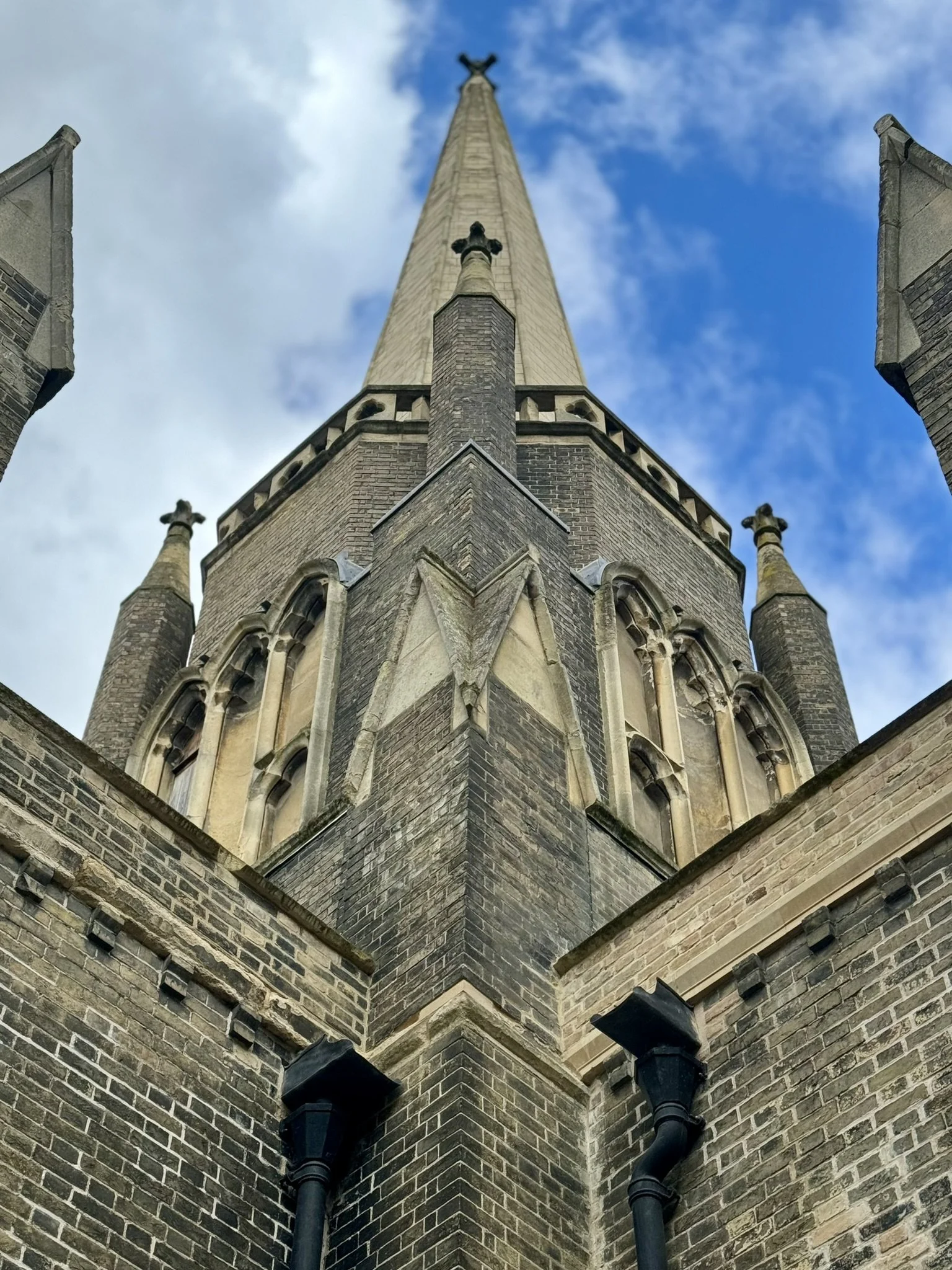
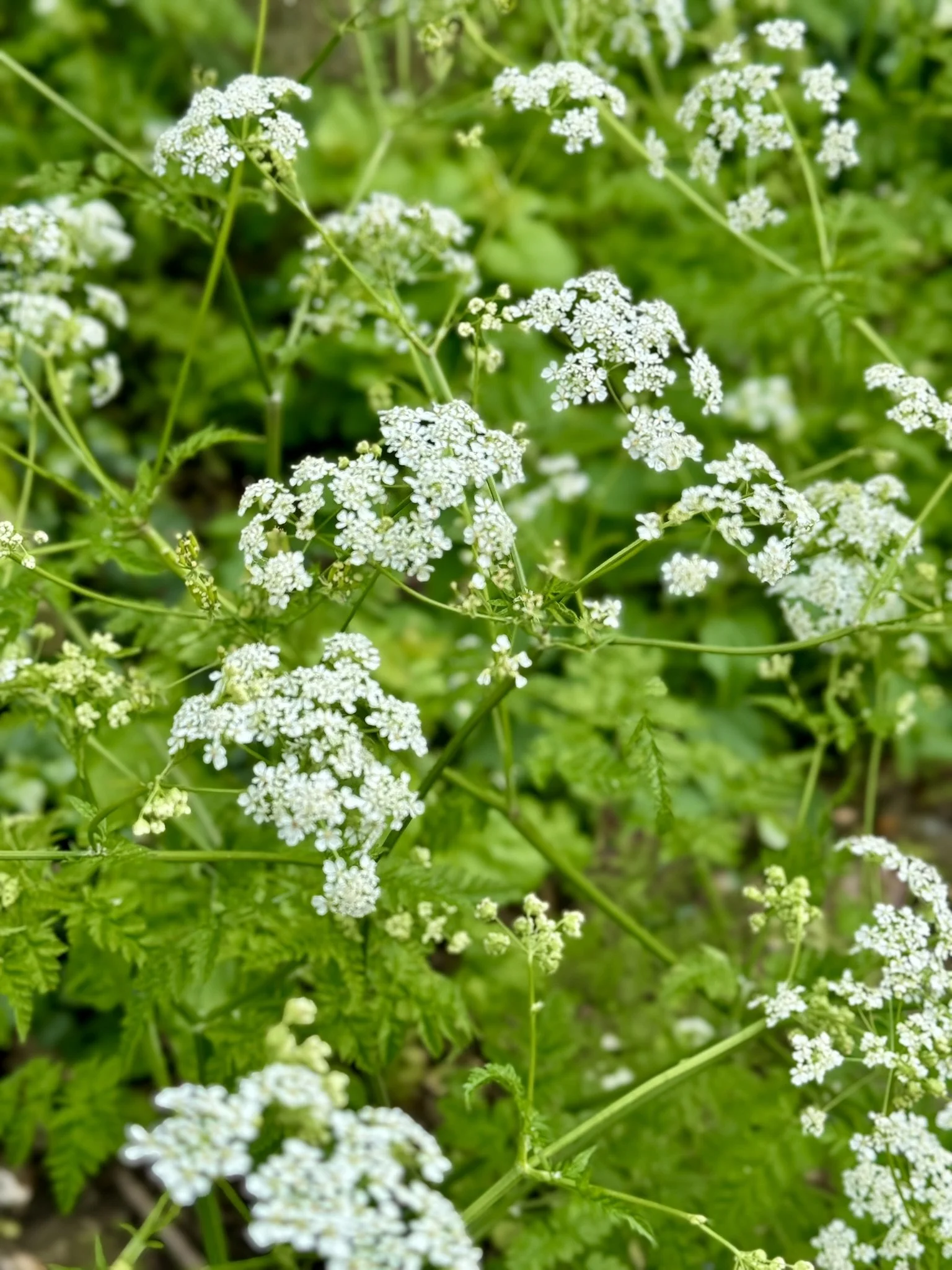
Allen Scott was appointed as part of the multidisciplinary team for The Abney Park Restoration Project, developing landscape proposals for this Grade II* listed cemetery in support of a Heritage Lottery Fund bid. The work focused on improving arrival, access and interpretation within one of London’s Magnificent Seven cemeteries, while responding sensitively to its significance as both a historic burial ground and arboretum.
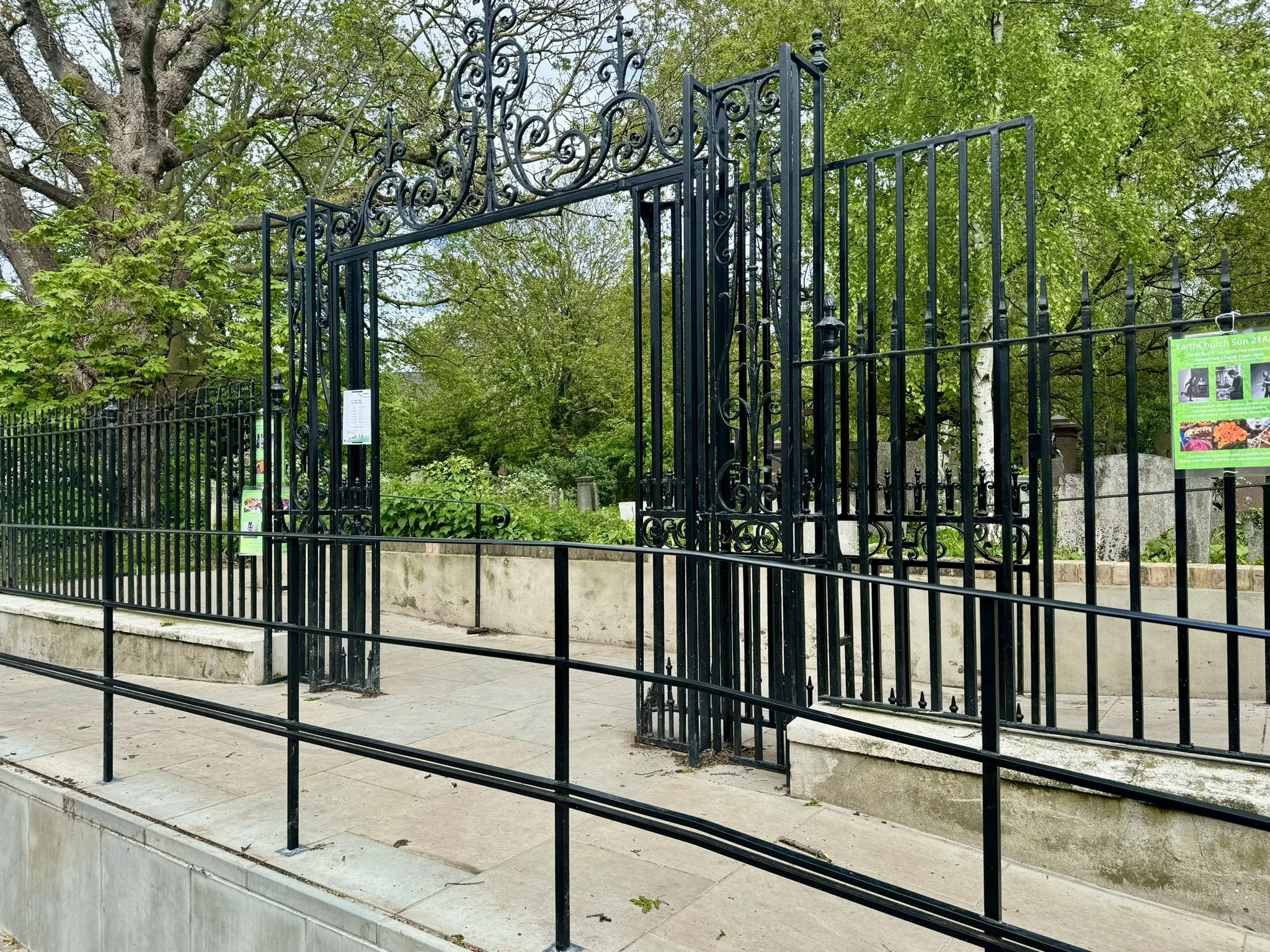
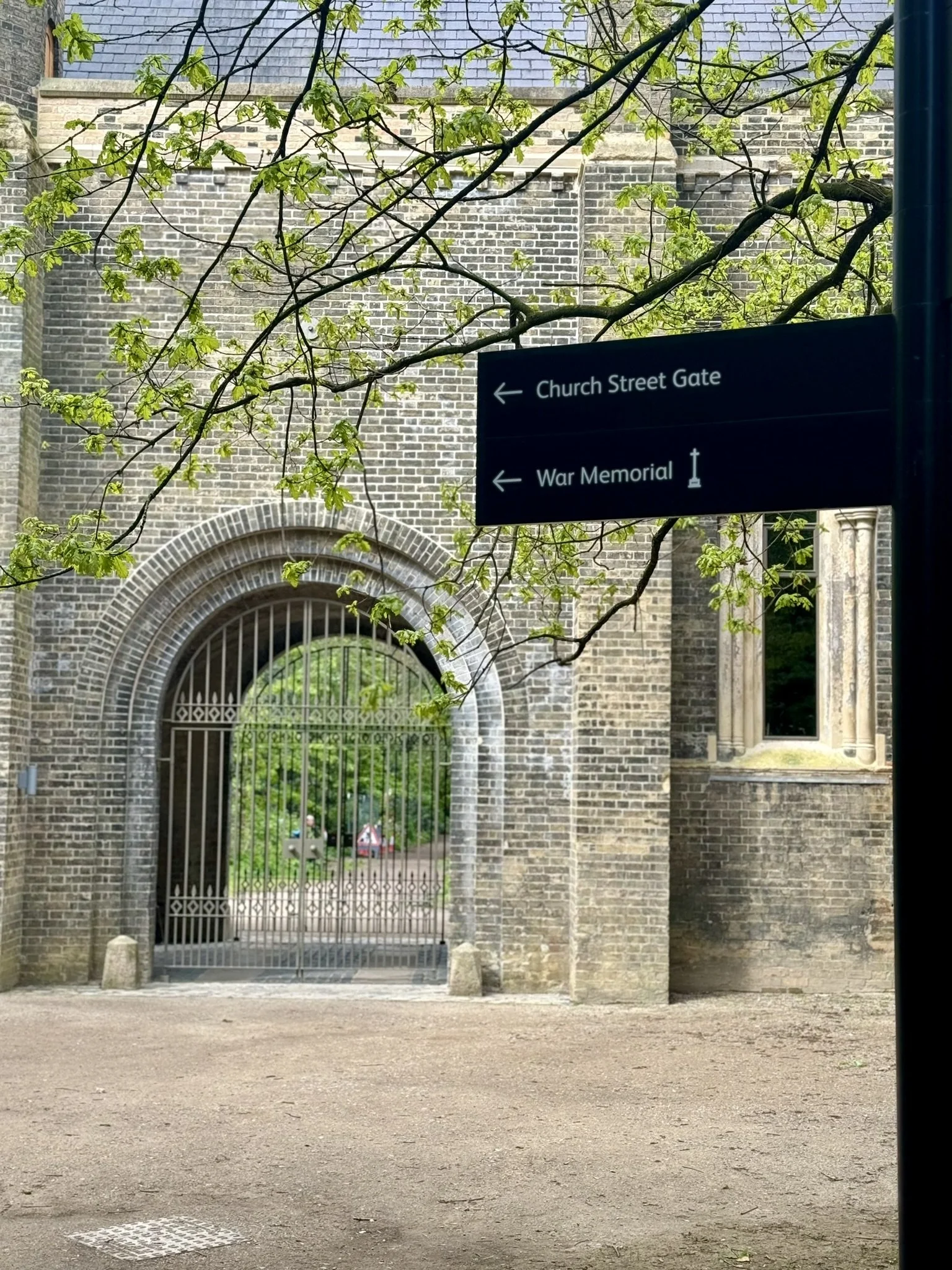
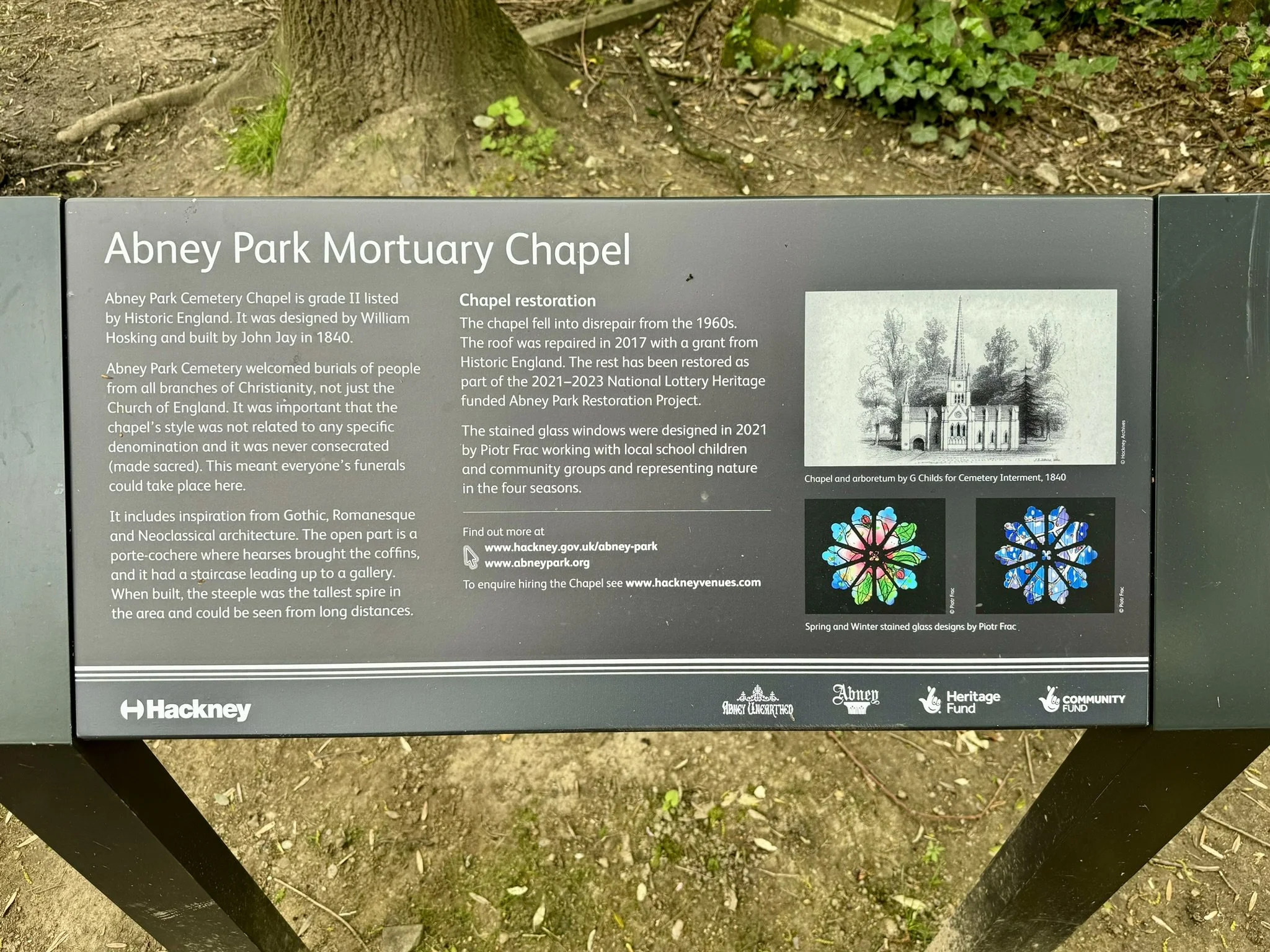
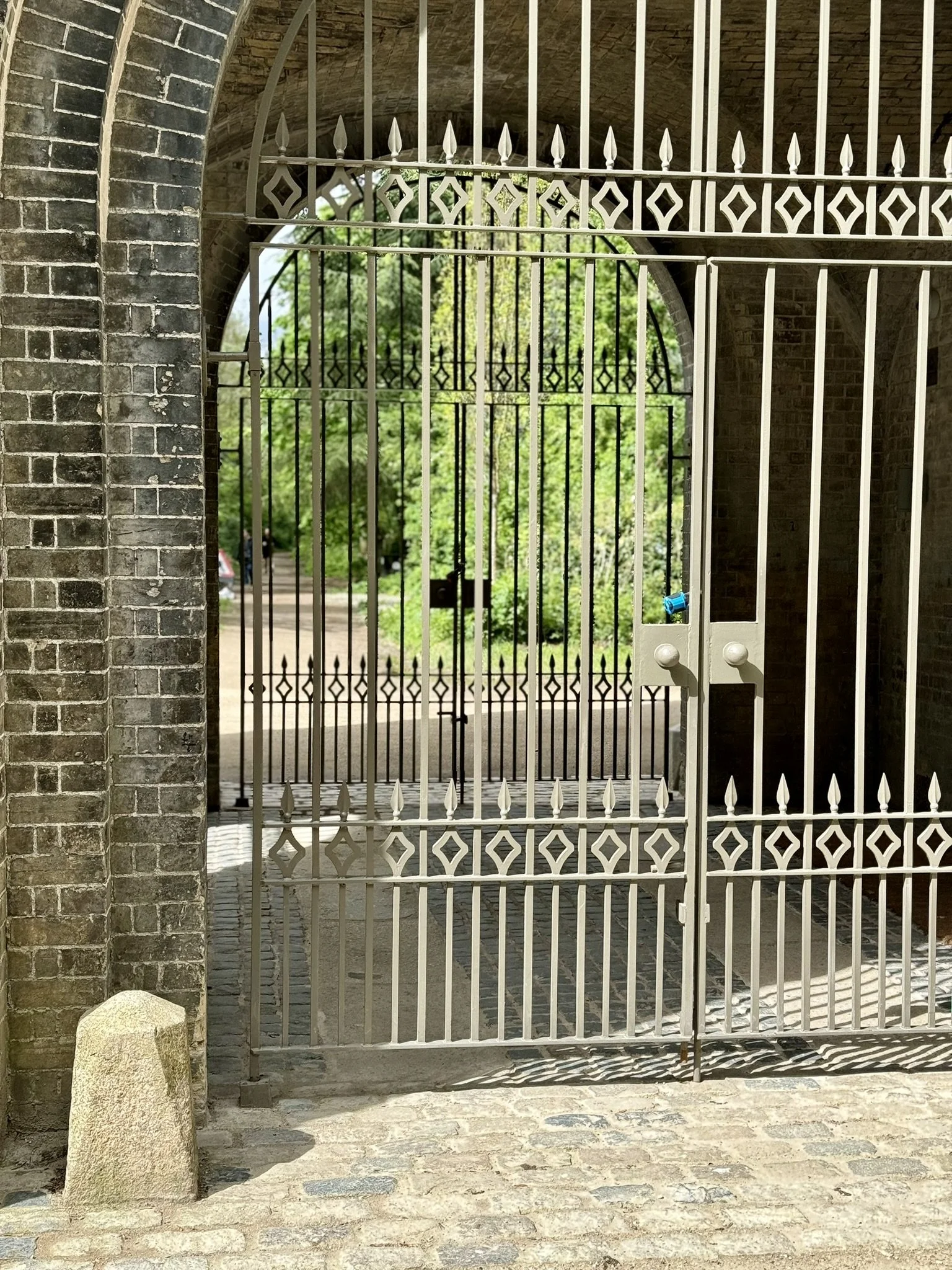
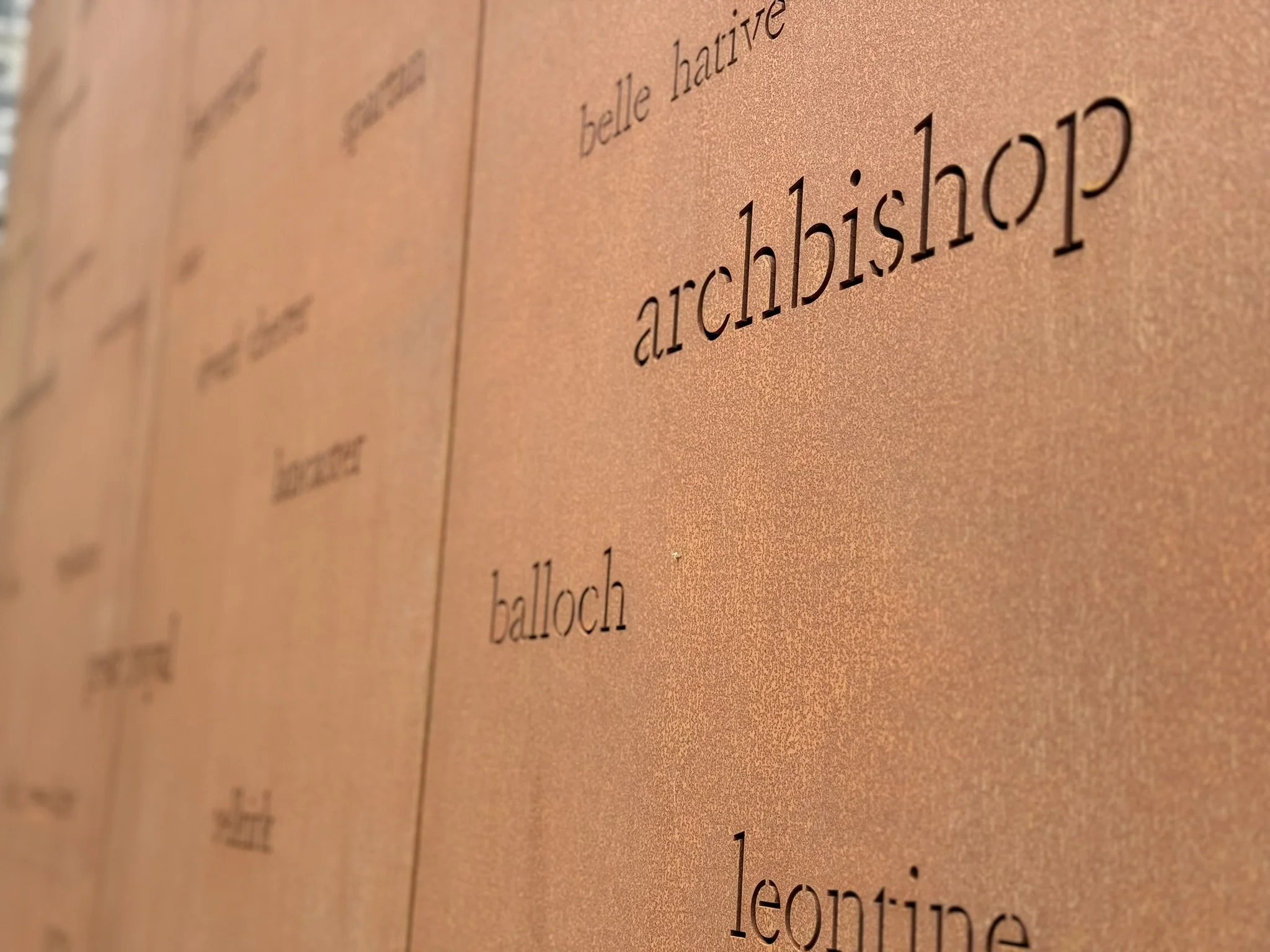
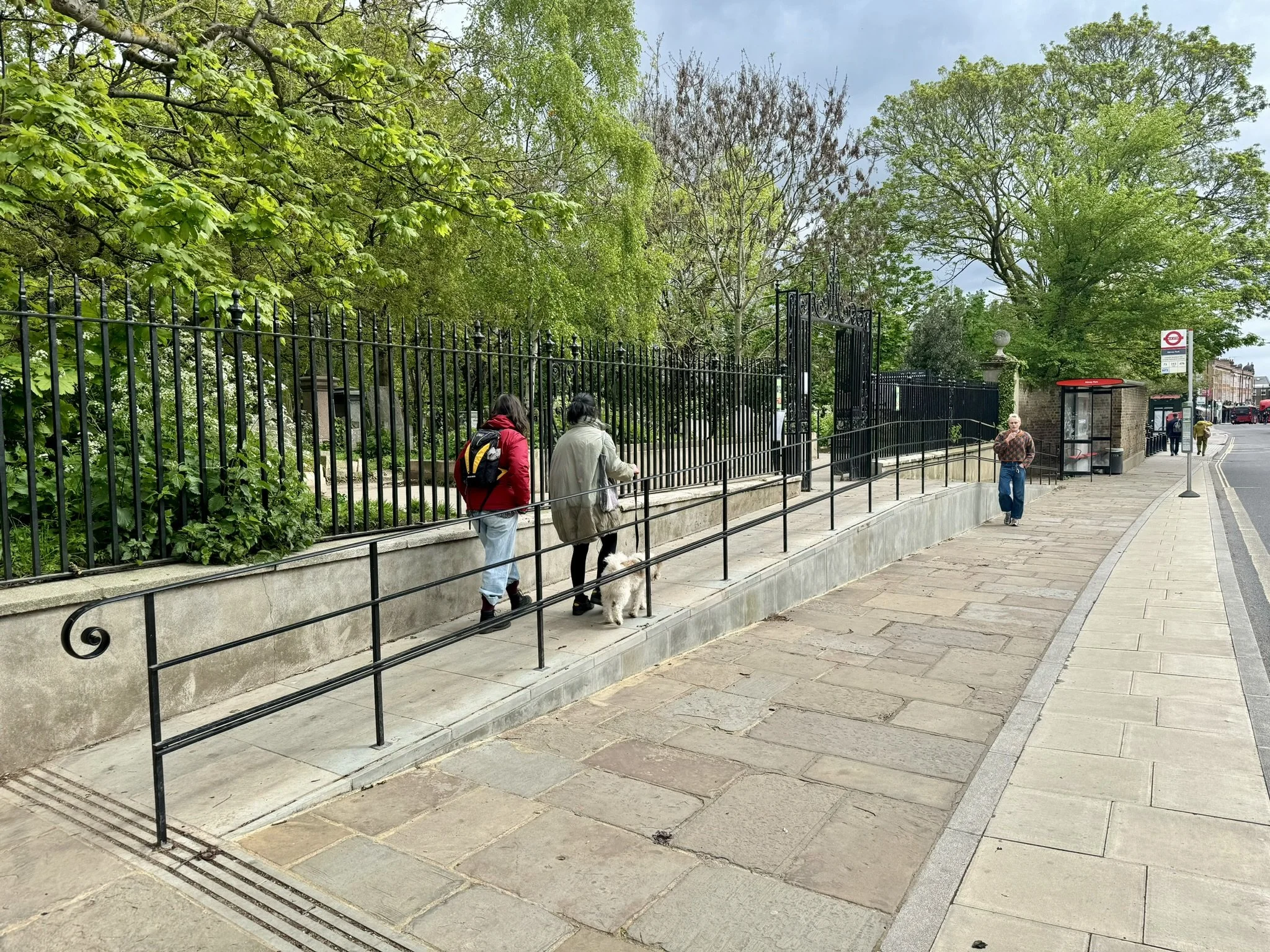
The proposals included enhancement of the main lodges entrance, improvements to the setting of the chapel, and a new accessible arrangement at the Church Street entrance. Across these areas, the design sought to strengthen the sense of arrival, improve accessibility and legibility, reduce clutter, upgrade paths and surfaces, and introduce coordinated planting, seating, railings, gates, signage and interpretation. The project combined heritage-led landscape design with practical improvements to support wider community use, events and learning, while respecting the cemetery’s distinctive character and ecological value.
Client: London Borough of Hackney
Role: Landscape Architect
Value: £3m (capital works)
Awards: Hackney Design Awards
RIBA Stages: 1-6
Partners: Artelier UK / Kaner Olette
Key Elements: conservation of listed structures / planting design / lighting / interpretation / access improvements / community hub / cafe / community workshops / outdoor learning space
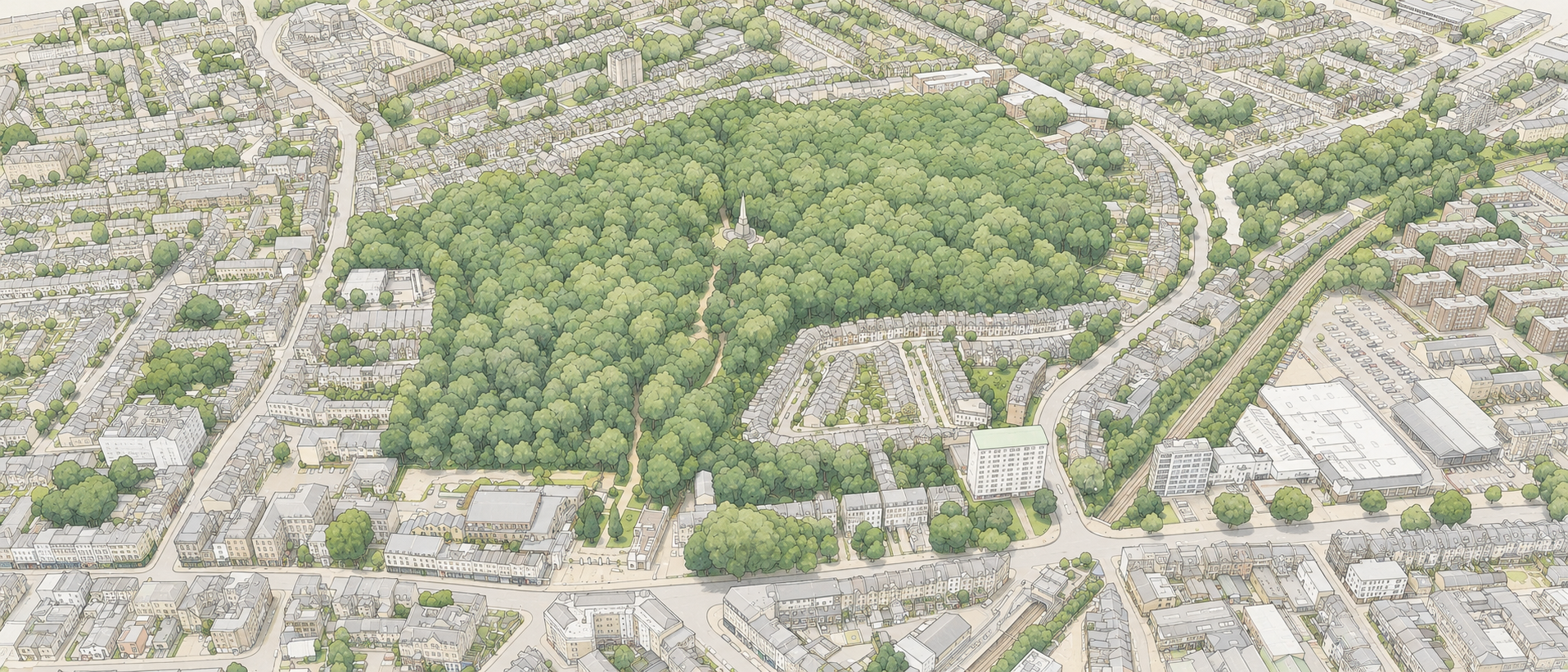


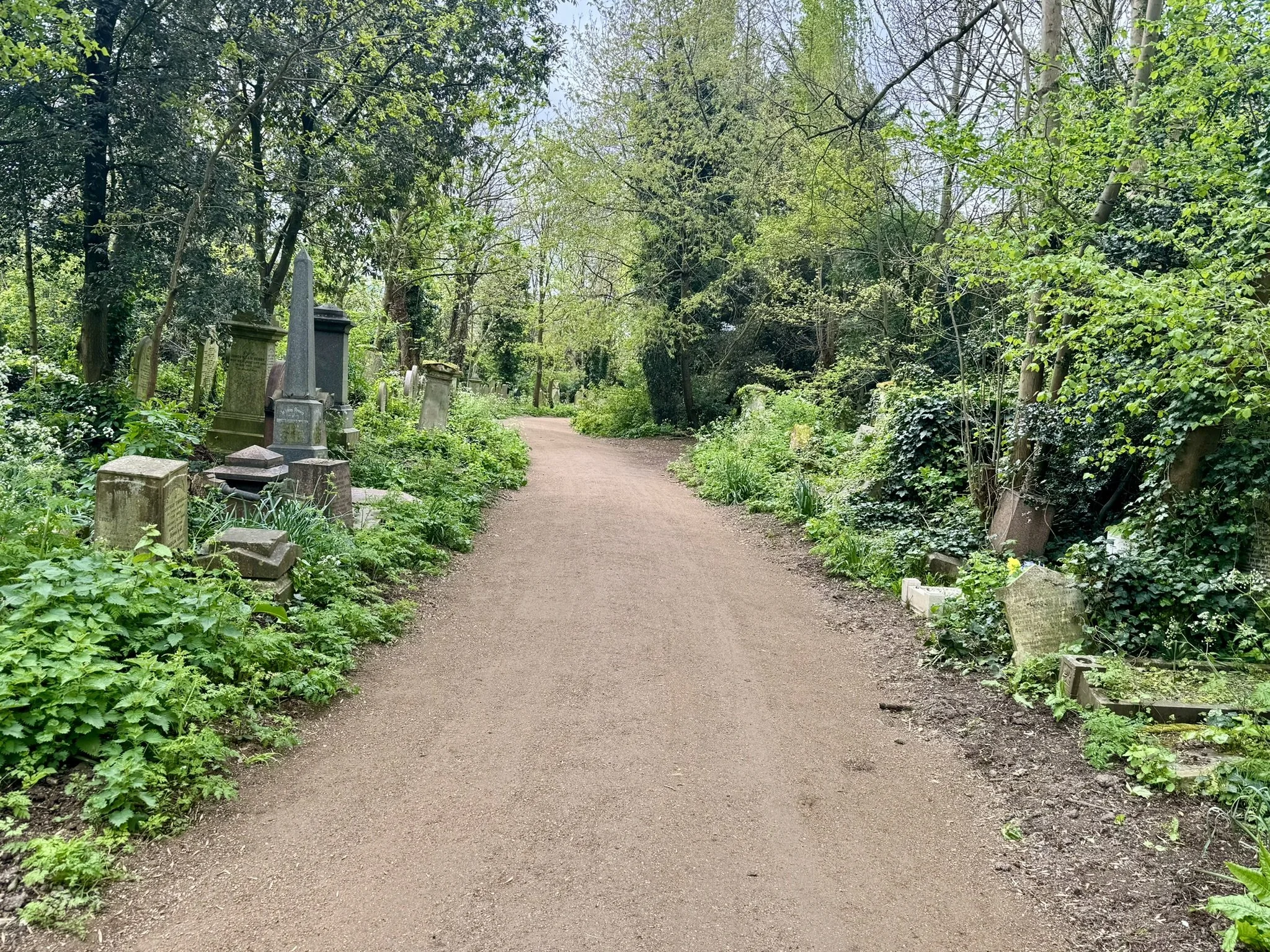
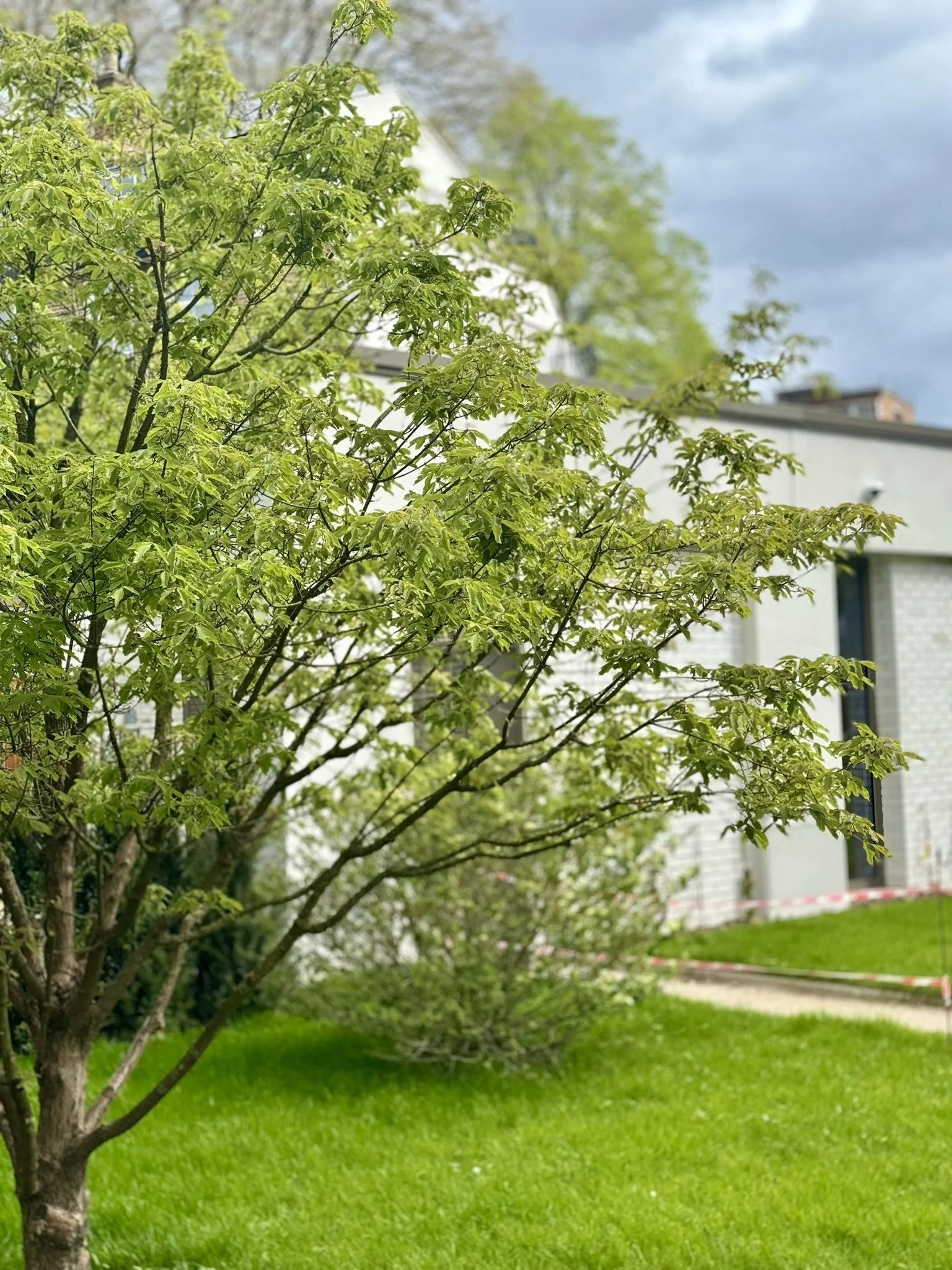
Established in 1840 to address the growing need for burial space in the capital, Abney Park Cemetery is one of London's ‘Magnificent Seven’ garden cemeteries. Located in Stoke Newington, Hackney, it was unique for being a non-denominational cemetery from its inception, allowing people of all faiths to be buried together, which reflected the progressive ideals of its founders. It was also one of the first to integrate both a cemetery and an arboretum, planting over 2,500 trees and shrubs to create a park-like atmosphere.
The cemetery was laid out by George Loddiges, a renowned horticulturist, and named after Sir Thomas Abney, a former Lord Mayor of London, whose estate included the grounds on which the cemetery now stands. Throughout the 19th century, it became the final resting place for various notable individuals, including abolitionists, social reformers and other prominent figures.
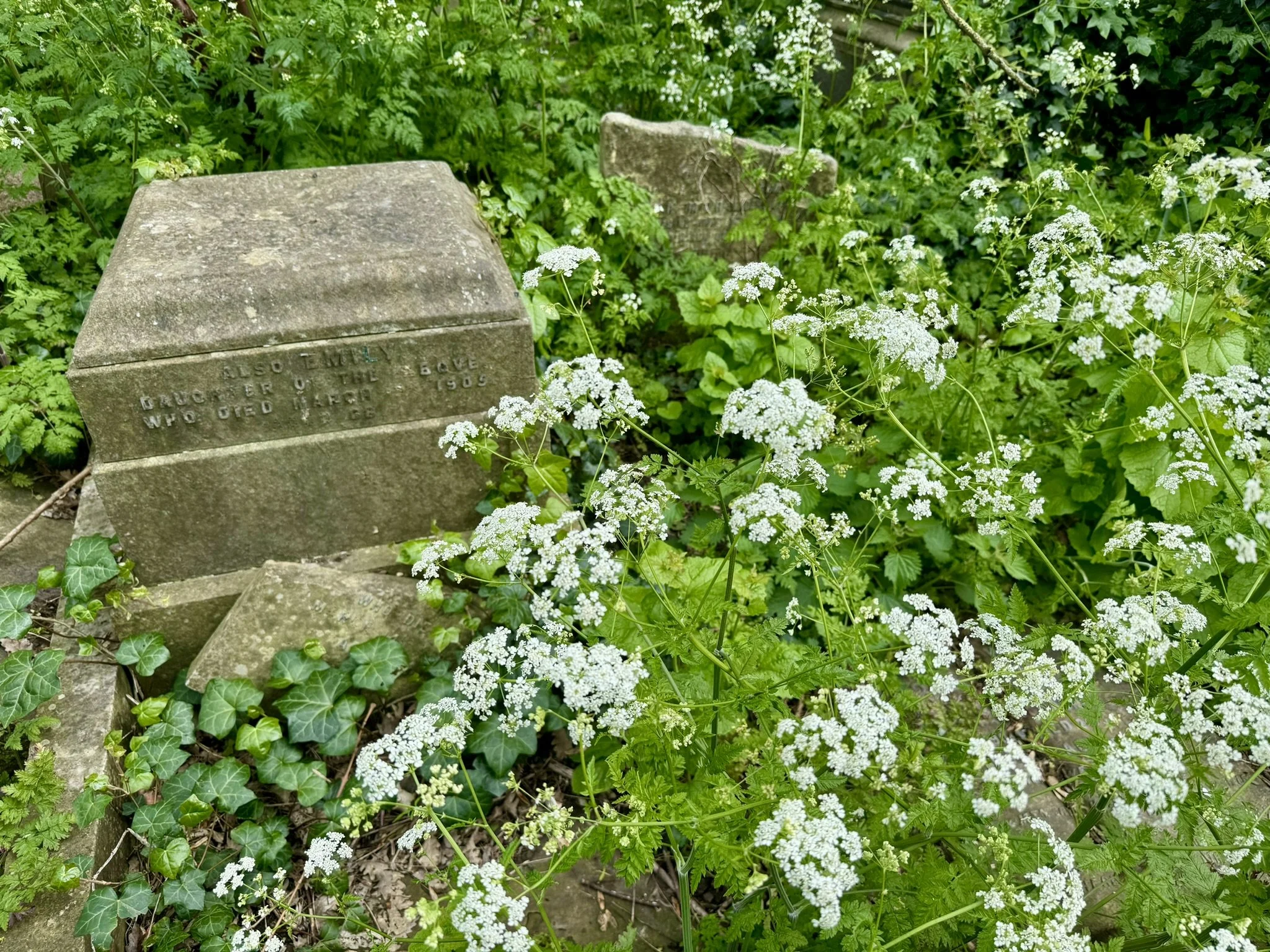
However, by the 20th century, Abney Park fell into decline as burial income dwindled, leading to overgrown vegetation and a deteriorating infrastructure. In 1978 it was designated as a nature reserve, which helped preserve its biodiversity and historical significance. Today, thanks to ongoing restoration projects, including funding from the National Lottery Heritage Fund, the cemetery is being revitalised as a historic, ecological and community resource.